
Which Kitchen Sink Should I Buy? 7 Questions to Ask Before Choosing One
Posted by Sinks on 23rd Nov 2026
A kitchen sink is more than just a place to wash dishes; it is an essential part of your kitchen's daily functionality. From washing large pans to preparing food and keeping your worktops tidy, the right sink should suit your lifestyle, available space and kitchen design.
With so many materials, styles, sizes and configurations available, knowing how to choose a kitchen sink can feel overwhelming. This guide covers seven important questions to help you compare your options and find the right one for your home.
1. What Material Should Your Kitchen Sink Be Made From?
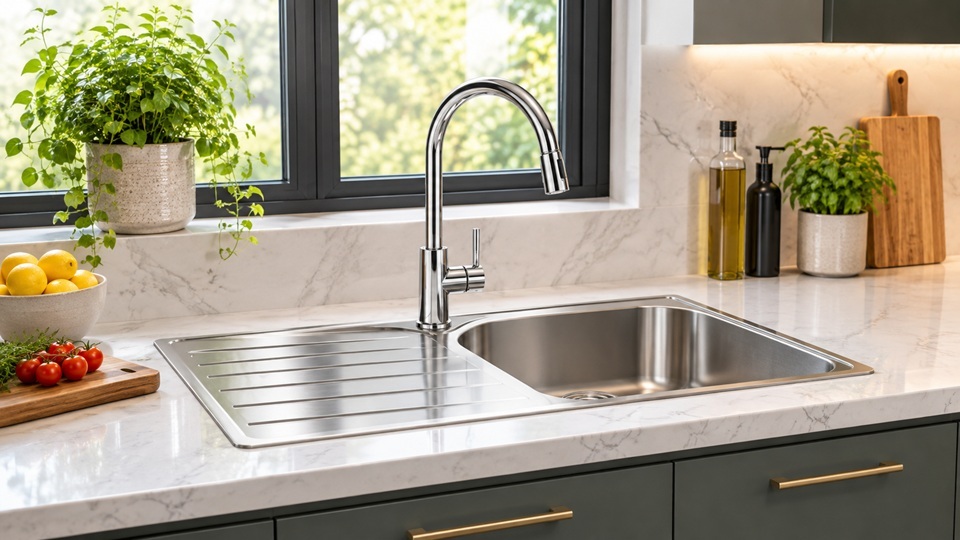
The material of the kitchen sink affects its appearance, durability, maintenance and most importantly, price. A Stainless steel kitchen sink is a widely popular choice because it is durable and very easy to clean.
Popular kitchen sink options include:
| Material | Main benefits | Things to consider |
| Stainless steel | Versatile, lightweight, durable, heat resistant and easy to clean | Can develop scratches and water marks |
| Granite composite | Hardwearing, available in various colours and offers a modern matt finish | May show limescale, particularly in darker finishes |
| Ceramic | Smooth, non-porous surface with a timeless elegant appearance, easy to maintain if cleaned regularly | Heavy and can chip if struck by heavy cookware |
| Fireclay | Durable, glossy finish, ideal for traditional kitchens, easy to maintain if cleaned regularly | Heavy and requires suitable cabinet support |
Still do you have that question in mind - Which sink is best for a kitchen? Stainless steel is a practical all-round choice, granite composite suits contemporary kitchens, while ceramic and fireclay are excellent for traditional or farmhouse inspired spaces. Your ideal material depends on your priorities and budget.
2. What Size Kitchen Sink Do You Need?
Before exploring different kitchen sink designs, measure the available space. How much space do you have on the countertop and in the base cabinet defines which sink size you can choose.
Check:
- Cabinet width: Make sure the sink fits the base unit. Always check the manufacturer's minimum cabinet width requirement.
- Overall dimensions: Measure the sink's length and width, including any integrated drainer.
- Bowl depth: Consider whether you regularly wash large pots, trays and baking dishes.
- Worktop cut-out: Check the required cut-out dimensions, particularly when replacing an existing sink.
If you are replacing your current sink, don't assume a new model with similar external dimensions will fit the existing cut-out. Always check the installation specifications.
3. Should You Choose a Single, 1.5 or Double Bowl Sink?
Selecting the right bowl configuration considering your space, usage, workflow, maintenance, and value for money is important. The number of bowls determines how you can use your sink. If you have a dishwasher, a large single bowl may be sufficient. For busy households, a 1.5 or double bowl configuration may offer greater flexibility.
- Single bowl: Offers one spacious washing area, making it ideal for smaller kitchens or cleaning large cookware.
- 1.5 bowl: Combines a full sized bowl with a smaller bowl for rinsing vegetables, draining food or handling smaller tasks.
- Double bowl: Provides two separate washing areas, useful for households that regularly wash, rinse and prepare food simultaneously.
4. Which Installation Style Suits Your Worktop?
The installation method influences appearance, maintenance and compatibility. Choose an installation style that complements your worktop and the overall kitchen design.
Inset sinks: Installed from above into a pre-cut worktop opening, also known as top-mount installation. They offer a contemporary look with a visible rim on top, which makes them easy to clean. These drop-in sinks are versatile and compatible with most worktop materials, including laminate.
Undermount sinks: These kitchen sinks are fitted beneath the worktop for a seamless appearance with no visible rim on top. They make it easy to wipe crumbs and water directly into the bowl. They generally require a suitable waterproof, solid worktop.
Belfast and Butler sinks: These traditional ceramic sinks feature a prominent front and deep bowl. They make a striking addition to farmhouse and Shaker kitchens with a bold design but require appropriate cabinetry and support.
5. Do You Need an Integrated Drainer?
A drainer provides a convenient area for drying dishes, draining washed vegetables and resting wet cookware. However, it also takes up additional worktop space. Consider an integrated drainer if you regularly wash dishes by hand.
If you have a dishwasher or limited worktop space, a sink without a drainer could be a more practical option. Some modern sinks also offer accessories such as rollamats, drainer baskets, strainer wastes and chopping boards to help you make better use of the available space.
6. Which Kitchen Sink Brand Offers the Best Quality and Range?
When comparing the best kitchen sinks, look beyond appearance and consider material quality, construction, available configurations, warranties and aftercare. So, who makes the best kitchen sinks? There isn't one universal winner. Franke and Austen & Co offer extensive material choices, while Rangemaster is worth considering if you are looking for both contemporary and traditional designs. Compare individual models, specifications, warranties and available accessories before deciding.
Some established brands worth exploring include:
- Franke: Offers stainless steel, Fragranite, Tectonite and ceramic sinks, with options for different kitchen styles and requirements.
- Austen & Co: Known for its stainless steel, ceramic and granite sink ranges, offering a choice of materials, finishes and configurations.
- Rangemaster: Provides stainless steel, granite and fire-clay ceramic options, including inset, undermount and Belfast designs.
7. Does the Sink Match Your Budget and Regular Needs?
Finally, consider the overall cost, including installation and accessories. A budget-friendly stainless steel sink may be ideal for regular use, yet a premium composite or ceramic model may be worth considering if appearance and finish are priorities. Remember to consider long term maintenance costs as well as the initial purchase price.
Before purchasing, check:
- Whether the waste and overflow fittings are included.
- Whether the sink has the required tap holes.
- Whether compatible accessories are available.
- What the manufacturer's warranty covers.
- Whether professional installation is required.
How to Choose the Best Kitchen Sink for Your Home
Use the following table to find a kitchen sink that best suits your space, lifestyle and budget.
| Your Kitchen Needs | Recommended Kitchen Sink | Why It's a Good Choice |
| Small Kitchen | Single bowl, inset sink | Saves space while providing a practical washing area. |
| Large Family | Double bowl, deep sink | Offers flexibility for washing, rinsing and handling larger loads of dishes. |
| Modern Kitchen | Undermount or granite composite sink | Creates a sleek, contemporary look with a clean worktop finish. |
| Heavy Usage | Thick gauge stainless steel sink | Offers durability and resistance to daily wear and tear. |
| Budget Friendly Option | Stainless steel undermount sink | Provides a practical, versatile and cost effective solution. |
Tip: Before making a purchase, check the sink dimensions, cabinet compatibility, material specifications and installation requirements to ensure it meets your kitchen's needs.
Which Kitchen Sink Suits My Kitchen?
Buying the perfect kitchen sink involves more than finding a design you like. You need to consider the material, size, bowl configuration, installation style, drainer requirements and overall budget.
By asking these seven questions, you can narrow down the types of kitchen sinks available and confidently compare the options that suit your kitchen. You can consider stainless steel kitchen sinks, a modern granite composite design or a traditional ceramic Belfast sink. But the best choice is one that combines practicality, usage, durability and style.