
Black vs White Composite Sinks: Which Is Better?
Posted by Sinks on 9th Oct 2026
Kitchen colours are a major part of your home's interior & when it comes to sinks and kitchen islands, it can feel daunting. When you're choosing between a black and white composite kitchen sink, it's not just about how it looks. Both colours can complement a wide range of kitchen designs, but they differ in how they show water marks, food stains and everyday residue.
Black composite sinks offer a bold, contemporary finish, whilst white composite sinks create a brighter, more understated look. But which is easier to maintain, especially in a busy everyday kitchen with hard water?
In this guide, we'll compare black and white composite sinks, explore their pros and cons, and help you choose the right colour for your worktops, kitchen style, and everyday routine. We'll also share some of our favourite designs to help you narrow down your options.
Black vs White Composite Sinks: A Quick Comparison
Both black and white composite sinks offer practical benefits, but the colour you choose can make certain marks more noticeable.
|
Feature |
Black Composite Sink |
White Composite Sink |
|
Appearance |
Bold, modern and contrasting |
Bright, classic and understated |
|
Water spots and limescale |
Pale deposits are more visible |
Pale mineral deposits are less noticeable. |
|
Food and drink stains |
Dark marks are generally less obvious |
Tea, coffee and food stains can stand out |
|
Scratches and scuffs |
Light scuffs and metal marks may show |
Dark metal transfer marks may show |
|
Everyday maintenance |
Regular drying helps maintain the finish |
Prompt cleaning helps prevent visible staining |
|
Best with |
White, grey, wood and neutral worktops |
Dark, wood, grey and neutral worktops |
|
Best for |
Contemporary and statement kitchens |
Bright, traditional and minimalist kitchens |
Which is better? Black composite sinks generally hide darker food marks better, while white composite sinks make pale water spots and limescale less noticeable. Black is a strong choice for contrasting, contemporary kitchens, whereas white creates a softer, timeless look. The best option depends on your water hardness, worktop colour and cleaning habits.
What Is a Composite Kitchen Sink?
A composite kitchen sink combines materials, typically granite or quartz particles with resin, to create a durable, non-porous or low-porosity surface, depending on the manufacturer's formula.
Composite sinks come in different colours, bowl configurations, and installation styles, making them suitable for both modern and traditional kitchens.
Black and white versions of the same composite sink range generally offer similar performance characteristics. The main difference is how each colour complements your kitchen and reveals everyday marks.
Explore our granite kitchen sinks to discover different composite designs, colours and bowl configurations.
Black vs White Composite Sinks: Pros and Cons
Choosing a black composite kitchen sink over a white one creates a striking contrast, particularly against light worktops or natural wood cabinetry. Darker finishes can make tea, coffee, and other coloured residue less obvious while giving the kitchen a contemporary look. However, dried water droplets, soap residue and pale limescale deposits can stand out more against black materials, particularly in hard-water areas.
A white composite kitchen sink creates a brighter, more subtle finish that works well with classic, Scandinavian-inspired and contemporary kitchens. Light-coloured mineral deposits are generally less noticeable, making white appealing if you prefer a sink that looks clean between wipe-downs. The trade-off is that tea, coffee, turmeric and other strongly coloured food residue may become more visible if left on the surface.
Neither colour is automatically more durable or stain-resistant. The sink's material composition, finish and manufacturer's care recommendations matter more than colour alone.
For a closer look at the pros and cons of darker finishes, explore our guide on whether black kitchen sinks are worth buying.
Which Is Easier to Keep Clean: Black or White Composite Sinks?
Neither black nor white composite sinks are inherently difficult to clean. They just make different marks more visible. Black tends to reveal pale mineral deposits, while white makes darker food stains easier to spot.
|
Common Issue |
Black Composite Sink |
White Composite Sink |
Quick Fix |
|
Water spots |
More noticeable |
Less noticeable |
Wipe dry after use |
|
Limescale |
More noticeable |
Less noticeable |
Use a manufacturer-approved limescale cleaner |
|
Tea and coffee marks |
Less noticeable |
More noticeable |
Rinse spills promptly |
|
Food stains |
Less noticeable |
More noticeable |
Clean with mild washing-up liquid |
|
Soap residue |
More noticeable |
Less noticeable |
Rinse thoroughly |
|
Scuffs and pan marks |
Pale scuffs may be more visible |
Dark metal marks may be more visible |
Use a non-abrasive, approved cleaner |
A Simple Cleaning Routine for Both Colours
For everyday care, rinse the sink after use, clean it with warm water and mild washing-up liquid, then dry it with a soft microfibre cloth.
A more thorough weekly clean can help remove grease and residue around the waste and corners. Use care instructions approved for your sink's material and finish for limescale cleaning & to remove harder stains.
Avoid wire wool, rough scrubbers and strong cleaning chemicals unless the manufacturer explicitly permits them. Cleaning recommendations can differ between granite composite, quartz composite and other engineered sink type/materials used in manufacturing.
The key is consistency, not intensive scrubbing. A quick wipe after washing up can help both black and white composite sinks maintain their appearance.
Do Black or White Composite Sinks Stain?
Both black and white composite sinks can develop visible stains, although many are designed to resist everyday staining. The difference often comes down to how clearly those marks show against the sink's colour.
White composite sinks can make darker residue from tea, coffee, red wine, turmeric and tomato-based sauces easier to notice. If you leave these substances to dry, they may require extra cleaning.
Black composite sinks can make darker marks less obvious, but that doesn't mean they cannot stain. Pale soap residue, mineral deposits and dried cleaning products may leave visible patches across the surface.
It's also worth distinguishing between staining and residue. A chalky white mark on a black sink may simply be limescale rather than permanent discolouration. Likewise, a grey line on a white sink may be metal transfer from cookware rather than a scratch in the surface itself. Before assuming the surface is damaged, try gently wiping the mark with warm water, mild washing-up liquid and a soft cloth. You may find it's simply residue you can clean away.
Both colours can show scratches or stains, and you can't always remove scratches with cleaning.
For either finish, the safest approach is to rinse strongly coloured spills promptly, avoid abrasive cleaning tools and follow the care guidance supplied with your sink.
Which Colour Is Better for Hard Water?
White composite sinks are often the more forgiving choice in hard-water areas because pale limescale deposits are less visible against a light surface. However, black composite sinks can still be an excellent option with regular care.
Hard water contains dissolved minerals, including calcium and magnesium. As water evaporates, mineral residue can remain on the sink, particularly around the tap, waste and drainer.
Against a black composite surface, these deposits may appear as chalky white marks. On a white sink, the same deposits can be harder to see, even though they are still present.
If you're considering a black composite sink for a hard-water area, a simple routine can make a difference: rinse away soap residue, wipe down the bowl and dry around the tap and waste after use. Check regularly for mineral build-up and descale as needed using a manufacturer-approved product.
Our advice: Don't rule out black simply because you have hard water. Choose the finish you prefer, but factor in how often you're comfortable wiping away visible deposits.
Which Sink Colour Suits Your Kitchen?
The right composite sink colour should complement your worktops, cabinetry and tap finish rather than compete with them.
A black composite kitchen sink can create a striking focal point in a light-coloured kitchen. Black works particularly well with white quartz-effect worktops, pale grey cabinetry and natural wood finishes. It can also define a neutral kitchen without introducing another bright colour.
A white composite kitchen sink offers a softer appearance, blending naturally into light worktops or creating contrast against darker cabinetry. White works particularly well in traditional, Scandinavian-inspired, and minimalist kitchens where a bright, understated finish is preferred.
Black vs White Composite Sinks With Different Worktop Colours
|
Worktop Colour |
Black Composite Sink |
White Composite Sink |
|
Creates bold contrast |
Creates a seamless, coordinated look |
|
|
Gives a monochrome appearance |
Creates striking contrast |
|
|
Adds definition to a contemporary kitchen |
Creates a softer, lighter finish |
|
|
Natural wood |
Complements modern and industrial styling |
Suits warm, traditional and Scandinavian-inspired spaces |
|
Marble-effect |
Creates a statement feature |
Blends with lighter veining and tones |
|
Cream or beige |
Adds depth and contrast |
Creates a calm, neutral appearance |
Choosing the Right Tap Finish for Your Sink
Your kitchen tap can help bring the overall design together. Black composite sinks pair well with matt black, brushed stainless steel and chrome taps. A matt black tap creates a coordinated look, while chrome or stainless steel adds subtle contrast.
White composite sinks offer more flexibility with contrasting finishes. Chrome and brushed stainless steel keep the look classic, while matt black taps introduce a contemporary accent.
Explore our kitchen tap & sink pack collection to find a finish that complements your kitchen.

Black or White Composite Sink: Which Should You Choose?
The best composite sink colour suits both your kitchen design and your everyday routine.
|
Choose a Black Composite Sink If… |
Choose a White Composite Sink If… |
|
You want the sink to stand out against light worktops |
You prefer a bright, understated finish |
|
You favour contemporary or industrial-inspired kitchens |
You favour classic, neutral or Scandinavian-inspired kitchens |
|
You'd rather darker food marks were less obvious |
You'd rather pale water marks were less obvious |
|
You're happy to wipe away visible water spots regularly |
You're happy to clean coloured food and drink spills promptly |
|
You want a coordinated look with black fittings |
You want flexibility with contrasting tap finishes |
Our Verdict
If you love contrasting finishes and want your sink to become part of your kitchen's design, black composite is an excellent choice, particularly when paired with lighter worktops.
If you prefer a brighter appearance or live in a hard-water area where pale mineral deposits are a regular concern, white composite may be the more practical-looking option.
Ultimately, neither colour is inherently superior. The best choice depends on the finish you prefer, the marks you're willing to manage, and your kitchen's overall style.
Our Favourite Black and White Composite Sinks
Once you've chosen the colour that suits your kitchen, consider the sink's size, bowl configuration, and installation style.
A single-bowl sink offers generous washing-up space, while a 1.5-bowl design adds a smaller bowl for rinsing or food prep. Inset and undermount installation options can also affect how your worktop looks when finished.
Here are some composite sink options worth exploring.
Black Composite Kitchen Sinks
- Franke Kubus KNG PRO 120 Fragranite Undermount 1.5

A practical choice for kitchens where an extra small bowl is handy for rinsing and food prep. Its dark metallic finish complements contemporary worktops and fittings.
- Austen & Co. Florence – Black 1.5 Bowl Granite Sink

Worth considering if you prefer a versatile bowl-and-a-half layout with a bold black finish. Check the available installation options and cabinet requirements before choosing.
White Composite Kitchen Sinks
- Franke Kubus 2 KNG 110 52 Fragranite Undermount Kitchen Sink
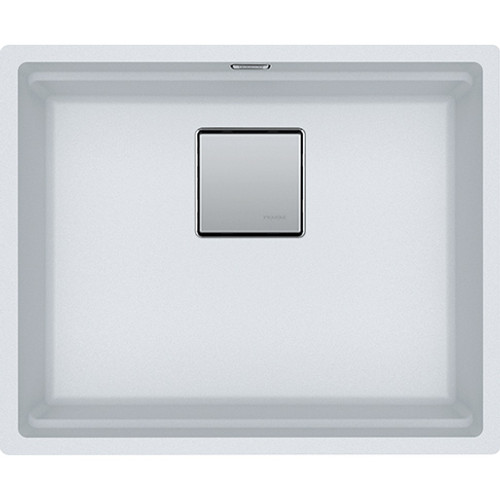
A practical choice for kitchens that need a spacious single bowl for everyday washing and food preparation. Its white Fragranite finish blends naturally with lighter worktops while creating an attractive contrast in darker kitchens.
- Austen & Co. Florence – White Granite

A lighter alternative with a 1.5-bowl configuration for customers who want a clean, neutral sink finish without sacrificing the convenience of a second smaller bowl.
Whether you're looking for a bold black sink or a bright white alternative, explore the full granite kitchen sink collection at Sinks.co.uk to compare designs, sizes and installation options.
FAQ’s
1. Are black composite sinks hard to keep clean?
No, black composite sinks are generally straightforward to maintain with regular cleaning. However, pale limescale, dried water spots and soap residue can be more noticeable against the dark finish. Wipe the sink dry after use and follow the manufacturer's cleaning guidance to maintain its appearance.
2. Do white composite sinks stain easily?
White composite sinks are typically designed to resist everyday staining, but darker food and drink residue can be more noticeable on a white surface. Rinse away tea, coffee, red wine, and strongly coloured sauces promptly. Stain resistance varies by material and manufacturer.
3. Do black composite sinks show limescale?
Yes, limescale can be particularly noticeable on black composite sinks because mineral deposits often leave pale or chalky marks. This is more common in hard-water areas. Regular rinsing and drying can minimise build-up, and manufacturer-approved cleaning products can remove deposits when needed.
4. Which colour composite sink is easiest to maintain?
Neither colour is inherently easier to clean. Black composite sinks tend to make pale mineral deposits more noticeable, while white composite sinks reveal darker food stains more readily. If your main concern is visible limescale, white may be preferable. If darker food marks bother you more, black may suit you better.
5. Do white composite sinks turn yellow?
White composite sinks do not necessarily turn yellow with age, but discolouration can occur from accumulated residue, staining, unsuitable cleaning products, or surface changes over time. Regular gentle cleaning and following the manufacturer's care instructions can help preserve the original finish.
6. Can you use bleach on a composite sink?
Use bleach only if the sink manufacturer explicitly recommends it and provides suitable instructions. Some composite materials and finishes can be affected by harsh chemicals. Mild washing-up liquid is generally a safer starting point for everyday cleaning. Never mix bleach with vinegar, descalers or other cleaning chemicals.
7. Are black composite sinks still in style?
Black composite sinks remain a popular design option for contemporary, industrial-inspired and minimalist kitchens. They work particularly well with light worktops, natural wood cabinetry and coordinated dark fittings. Rather than choosing solely on current trends, consider whether the finish complements your long-term kitchen design.
8. Which colour sink is best for a white kitchen?
Both black and white composite sinks work well in white kitchens. A black sink creates contrast and draws attention to the washing-up area, while a white sink creates a softer, more coordinated look. Your choice depends on whether you want the sink to stand out or blend into the worktop.
9. How do you remove limescale from a black composite sink?
Start by cleaning the surface with warm water and mild washing-up liquid. For any remaining mineral deposits, use a limescale remover approved by the sink manufacturer and follow its instructions carefully. Rinse thoroughly and dry with a soft cloth. Avoid acidic products unless the manufacturer confirms they are suitable.